




Old apartment buildings rarely appear in architectural magazines. Their paint fades, their elevators age, and their corridors show the marks of time. Yet behind those weathered walls lies a unique lifestyle shaped by memory, community, and everyday life.
Buildings That Have Witnessed Generations
Unlike newly completed residential towers, old apartment buildings have stories embedded within them. Families move in, children grow up, neighbors come and go, and decades quietly pass. Every floor, every staircase, and every balcony becomes part of a larger collective memory. These buildings are more than structures. They are archives of everyday life. The walls may not be perfect, but they have witnessed countless celebrations, difficult moments, and ordinary days that matter just as much.

Knowing Your Neighbors
One of the most distinctive aspects of older apartment living is the sense of community. People often know each other's names. They greet one another in elevators. They exchange food during holidays. They watch over each other's children and pets.
In newer developments, privacy is often prioritized. In older buildings, familiarity tends to emerge naturally over time. There is comfort in knowing that someone recognizes you when you come home.
Imperfections That Become Character
Older apartment buildings are rarely flawless. The corridors may feel narrow. The layouts may seem outdated. The paint may require refreshing. Yet these imperfections often create character. Residents learn which stairwell catches the morning sunlight, which window frames the best sunset, and which corner remains cool during summer afternoons. Over time, small inconveniences become familiar details that contribute to a sense of belonging.
The Rhythm of Everyday Life
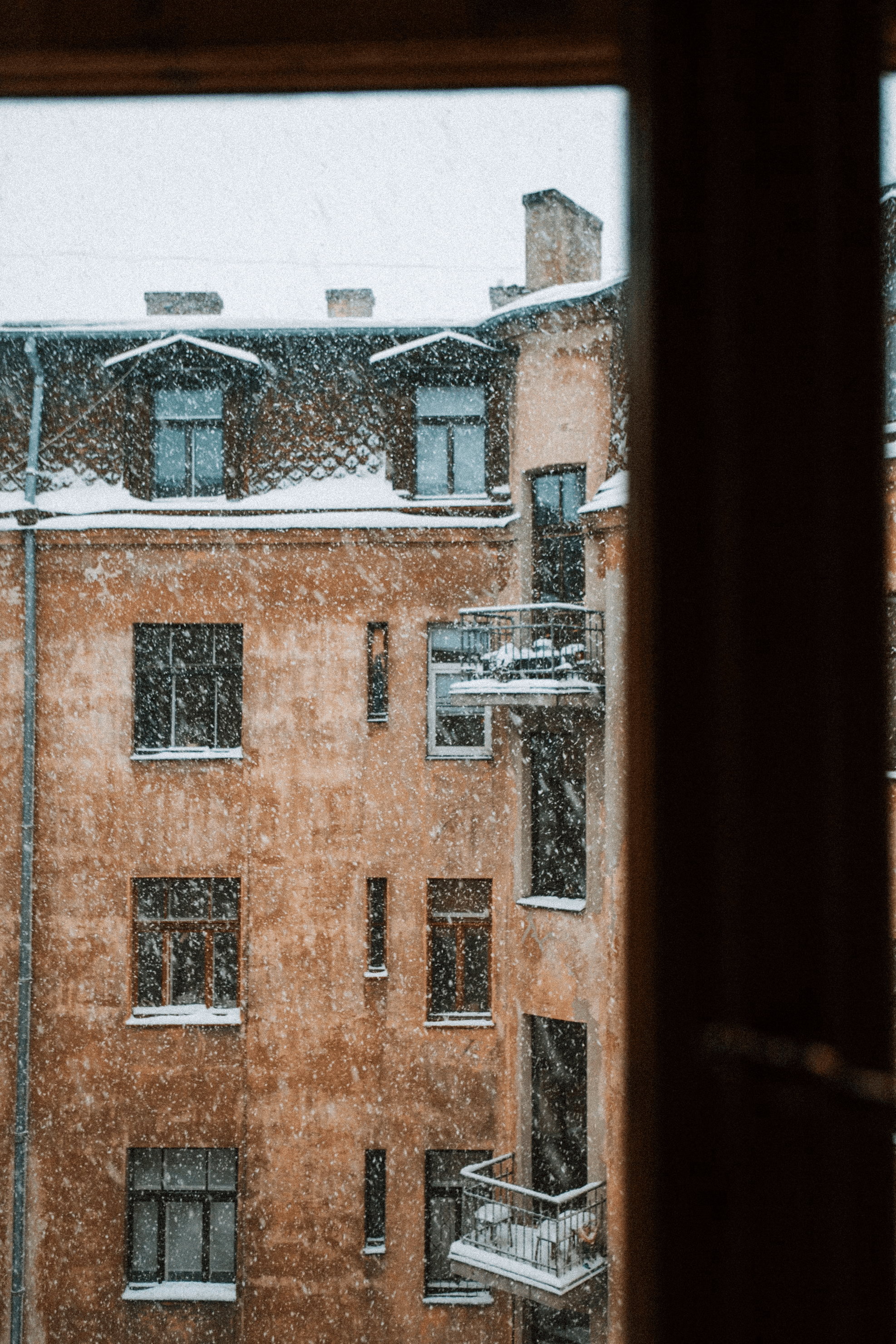
Life in an old apartment building follows a rhythm of its own. Laundry dries on balconies. Windows remain open during pleasant weather. The sounds of cooking drift through corridors in the evening. Lights gradually appear floor by floor as residents return home from work. These ordinary moments create an atmosphere that feels deeply human. The building becomes less like a collection of separate units and more like a small vertical neighborhood.
Affordability and Practical Living
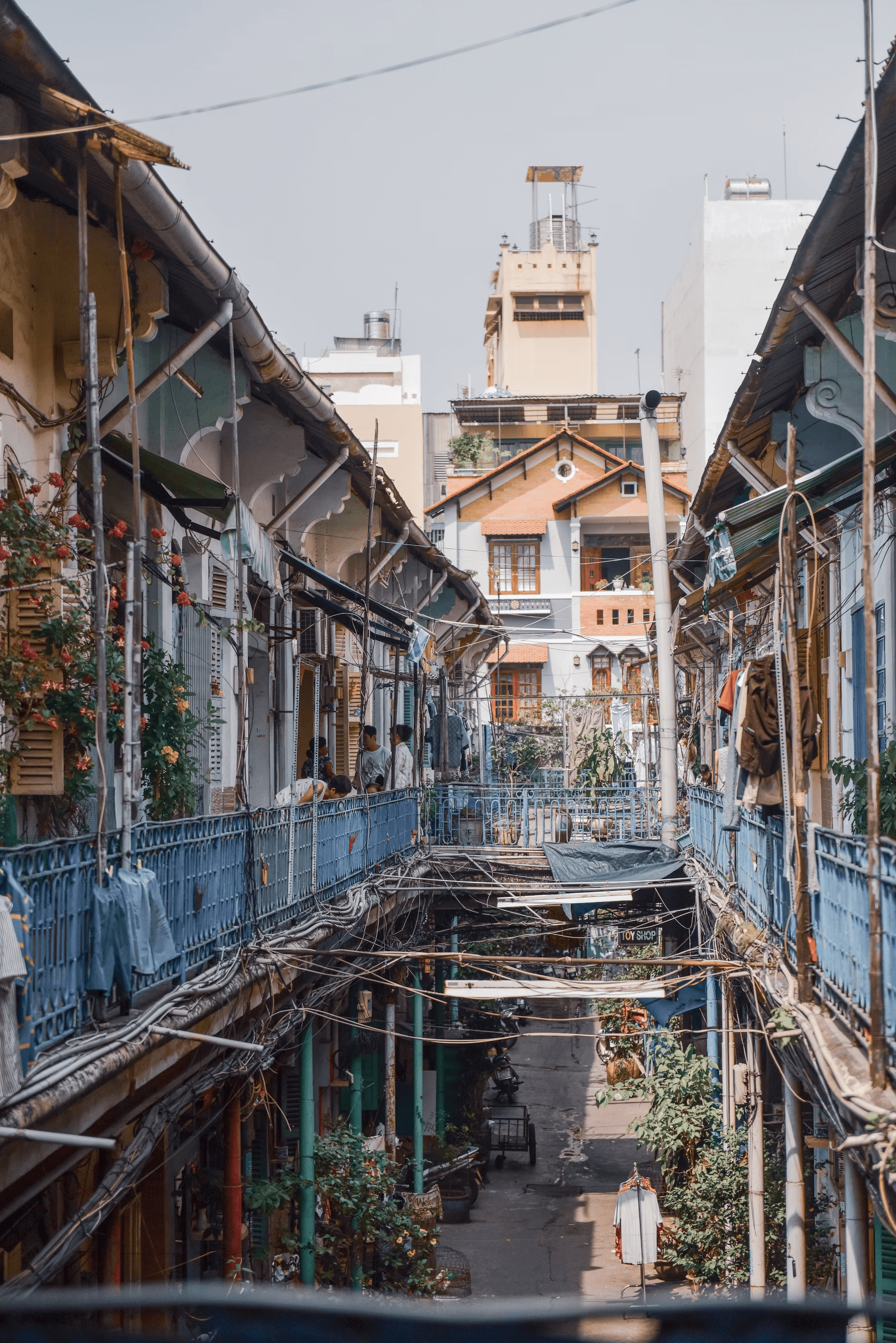
For many residents, older apartment buildings also offer something increasingly rare in modern cities: accessibility. They are often located in established neighborhoods with mature trees, local shops, schools, markets, and public transportation nearby. Instead of being isolated developments, they are woven into the existing urban fabric. Life becomes less about amenities and more about convenience, connection, and practicality.
Looking Beyond the Exterior
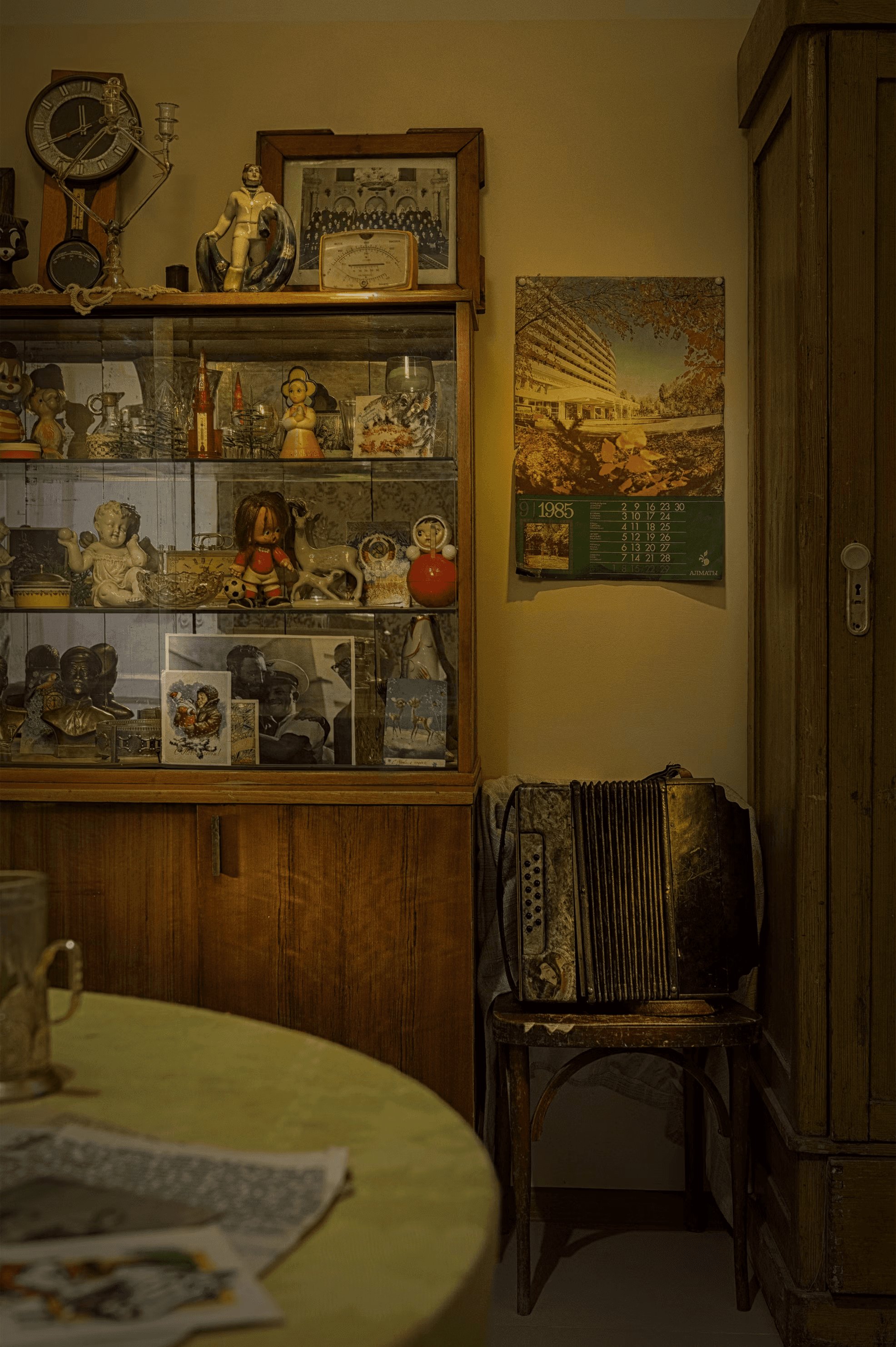
It is easy to judge old apartment buildings by their appearance. From the outside, they may seem ordinary or outdated compared to modern glass towers. But architecture is only one part of what makes a place meaningful. The true value of a home is often found in the life that unfolds inside it—the routines, relationships, and memories that accumulate over time. A building becomes beautiful when people create meaningful lives within it.
Conclusion
Old apartment buildings remind us that a home is not defined by new materials, luxury finishes, or contemporary design trends. Their appeal comes from something less visible but far more valuable: history, familiarity, and community. In a world that constantly celebrates the new, these aging buildings quietly teach a different lesson—that sometimes the places with the most character are the ones that have simply been lived in the longest.
