


in
A house can provide shelter, comfort, and security. But a home offers something deeper—a sense of belonging. It is the place where we can truly be ourselves, away from expectations, noise, and the pressures of the outside world.
More Than Four Walls
When people think about a dream home, they often imagine beautiful furniture, elegant finishes, or impressive architecture. While these elements contribute to a space, they are not what truly makes a home meaningful.
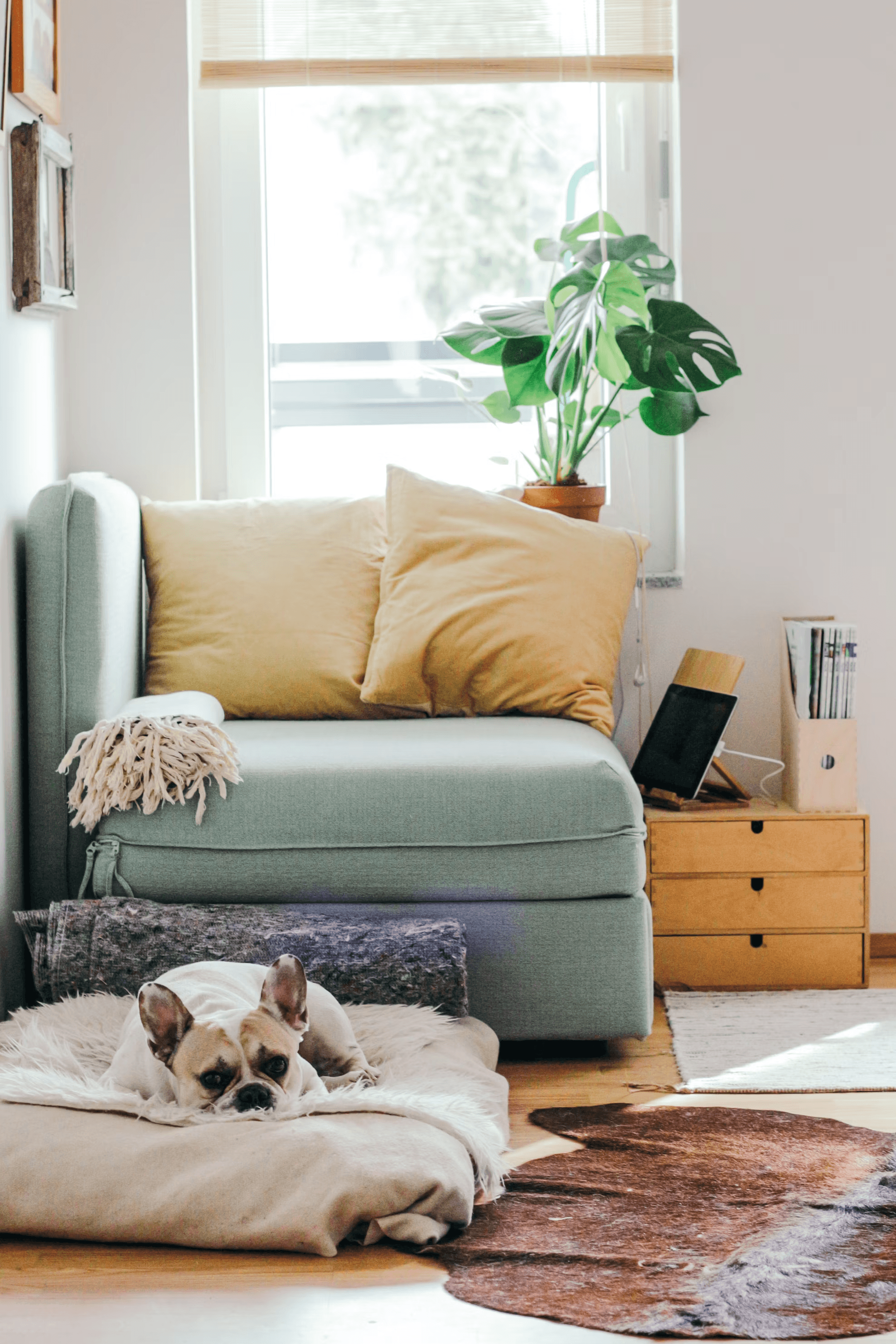
A home is not defined by its size, style, or price tag. It is defined by how it makes us feel. The soft chair by the window, the familiar scent of morning coffee, the warm sunlight entering through the glass—these small moments often create stronger memories than any luxury feature ever could.
A Place to Slow Down
Modern life moves quickly. Our days are filled with deadlines, notifications, and constant demands for attention.
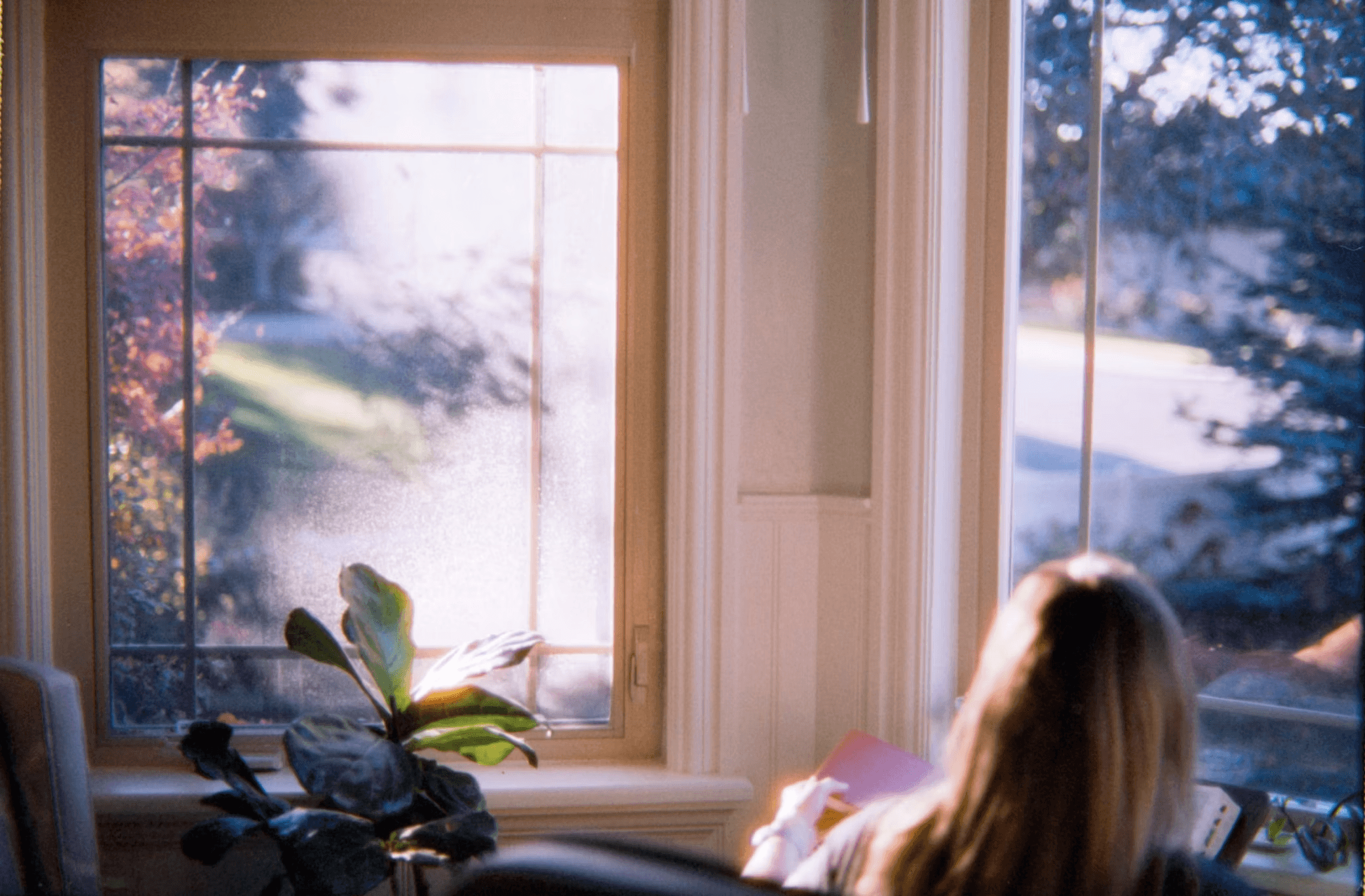
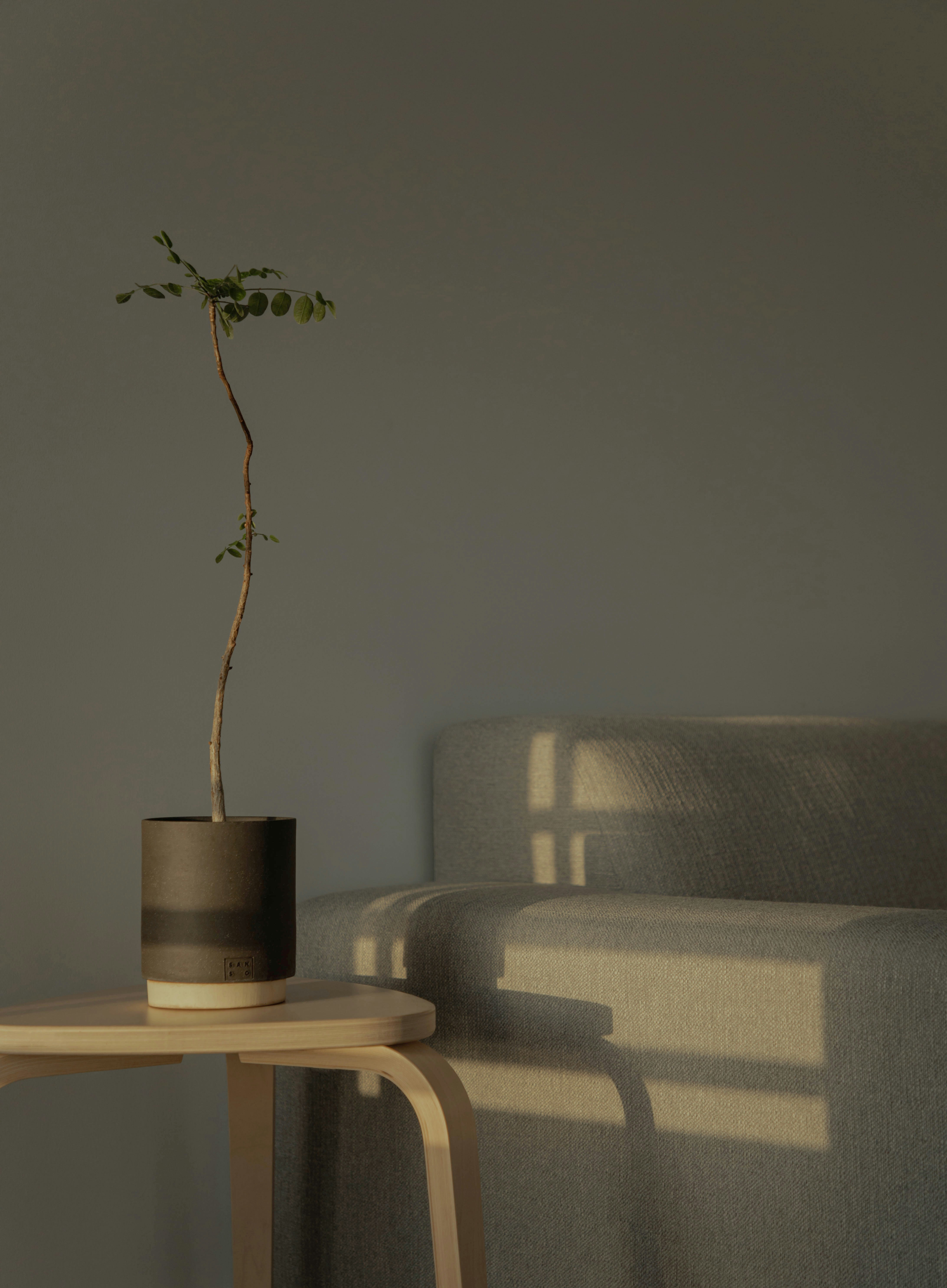
Home should be the opposite. It should be a place where time feels slower. A place where we can sit quietly with a book, enjoy a conversation, or simply watch the changing light throughout the day.
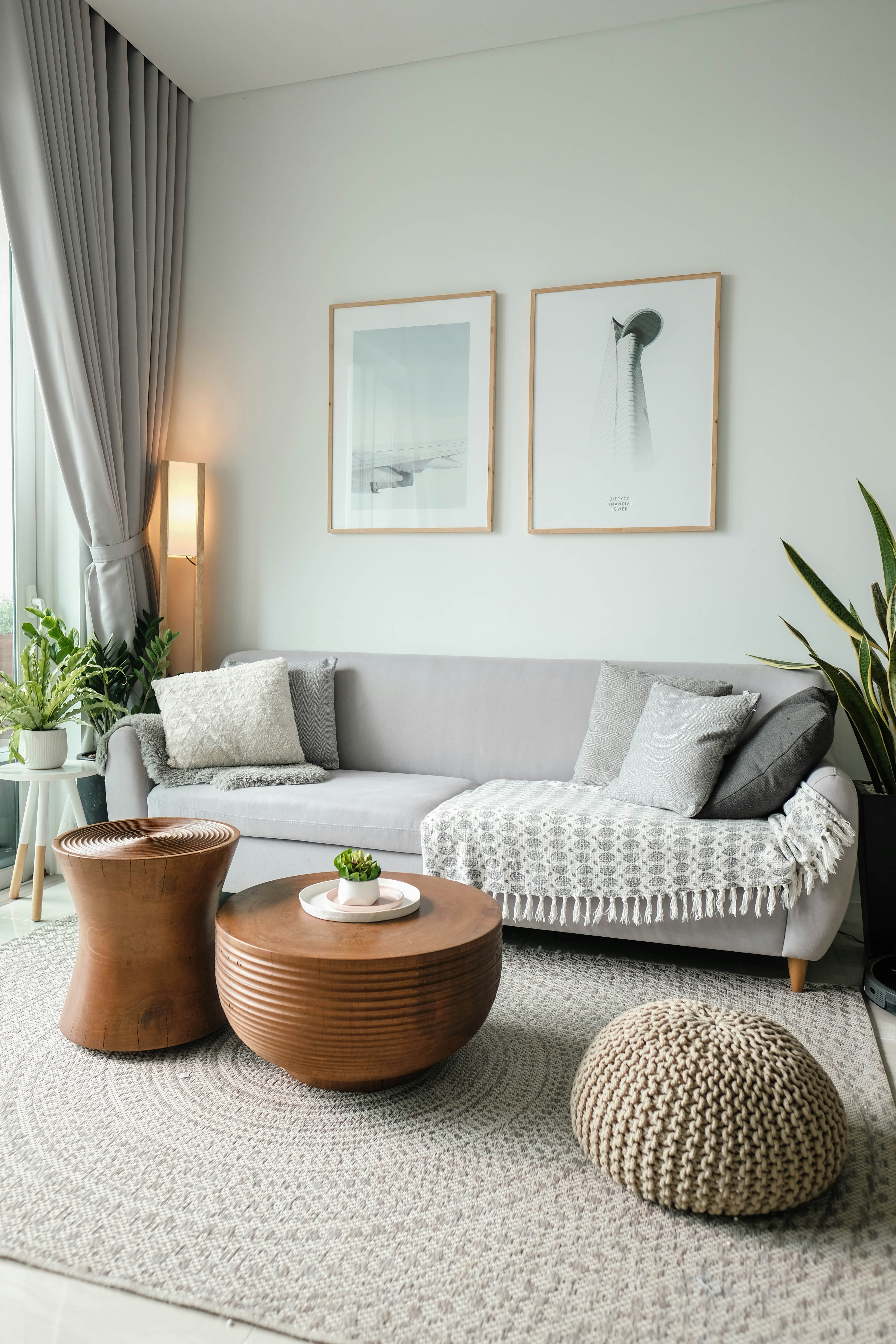
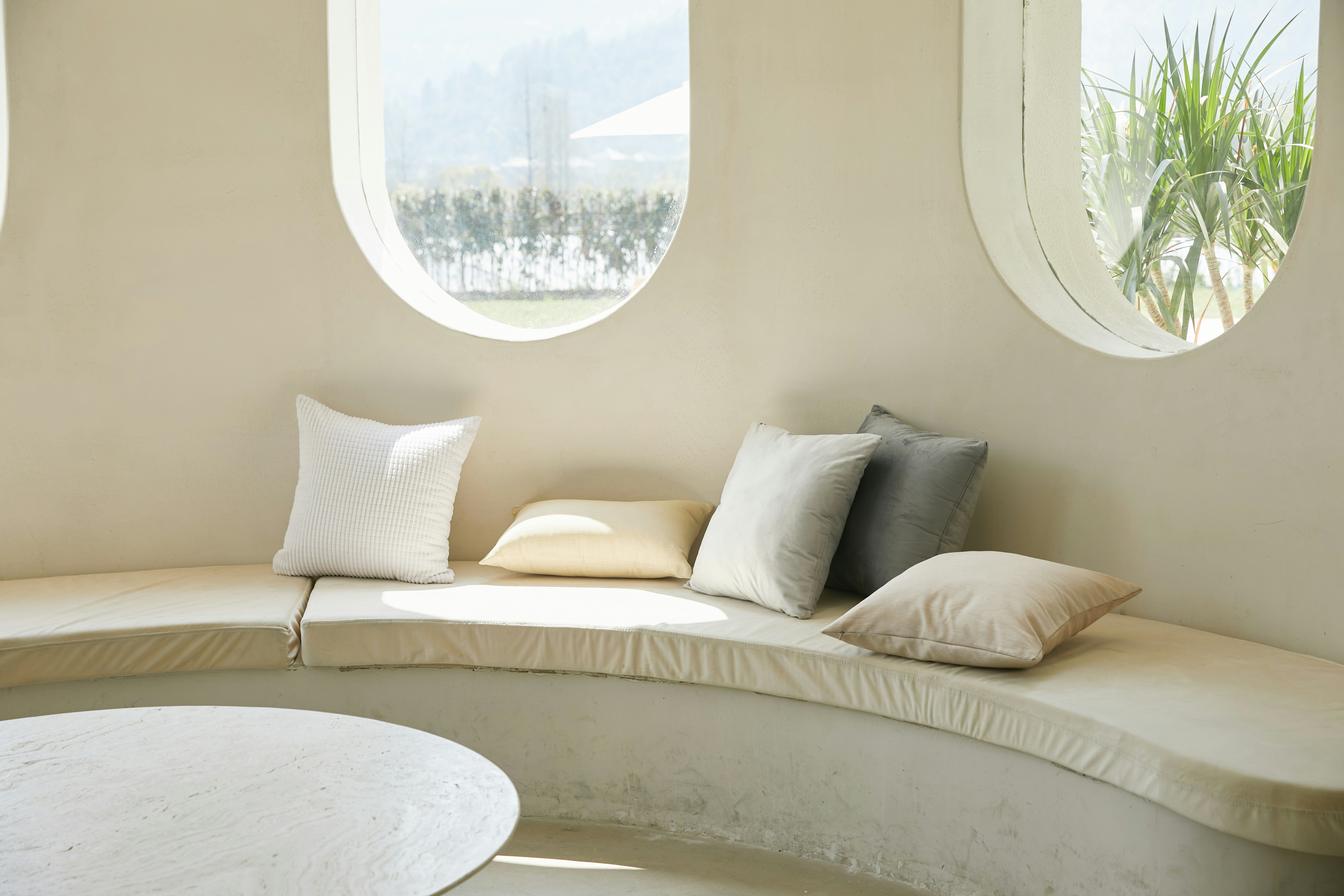
In this bright and calming interior, every element encourages relaxation. The natural wood tones, soft textiles, and gentle palette create an atmosphere that feels peaceful rather than performative.
The space does not ask for attention. It offers comfort.
The Importance of Everyday Rituals
The strongest connection we develop with our homes often comes through everyday habits.

The chair where we drink tea every morning. The corner where we read before bed. The window where we watch the rain.
These rituals transform ordinary rooms into personal sanctuaries. Over time, they become woven into our memories and our sense of identity. A home becomes meaningful not because of how it looks on the day it is finished, but because of the life that unfolds within it.
Designing for Comfort, Not Perfection
In a world dominated by social media, it is easy to believe that homes should always look flawless.

Yet the most welcoming homes are rarely perfect. They are lived in. They contain favorite objects, worn corners, and spaces that have evolved alongside the people who use them. Comfort often matters far more than visual perfection. A home should support life, not serve as a constant display.
Belonging Begins with Feeling Safe
Perhaps the greatest purpose of a home is emotional rather than physical.

Home is where we celebrate achievements, recover from difficult days, share meals with loved ones, and find solitude when we need it most. It is where we are accepted without explanation. A true home provides a sense of safety—not only for our bodies, but also for our minds and hearts.
Conclusion
A house becomes a home when it reflects the people who live there. It is not the furniture, the finishes, or the square footage that create belonging. It is the memories, routines, and emotions that slowly fill the space over time.
At its best, home is not simply where we live. It is where we belong.