

in
Minimalism is often presented as the ideal way to live. Yet behind its clean surfaces and quiet spaces lies a truth many people overlook: minimalism is not meant to please everyone. It is a deliberate choice, not a universal solution.
The Courage to Have Less
In a culture that constantly encourages more—more possessions, more decoration, more stimulation—minimalism moves in the opposite direction.
It asks a difficult question: What can be removed without diminishing the quality of life?
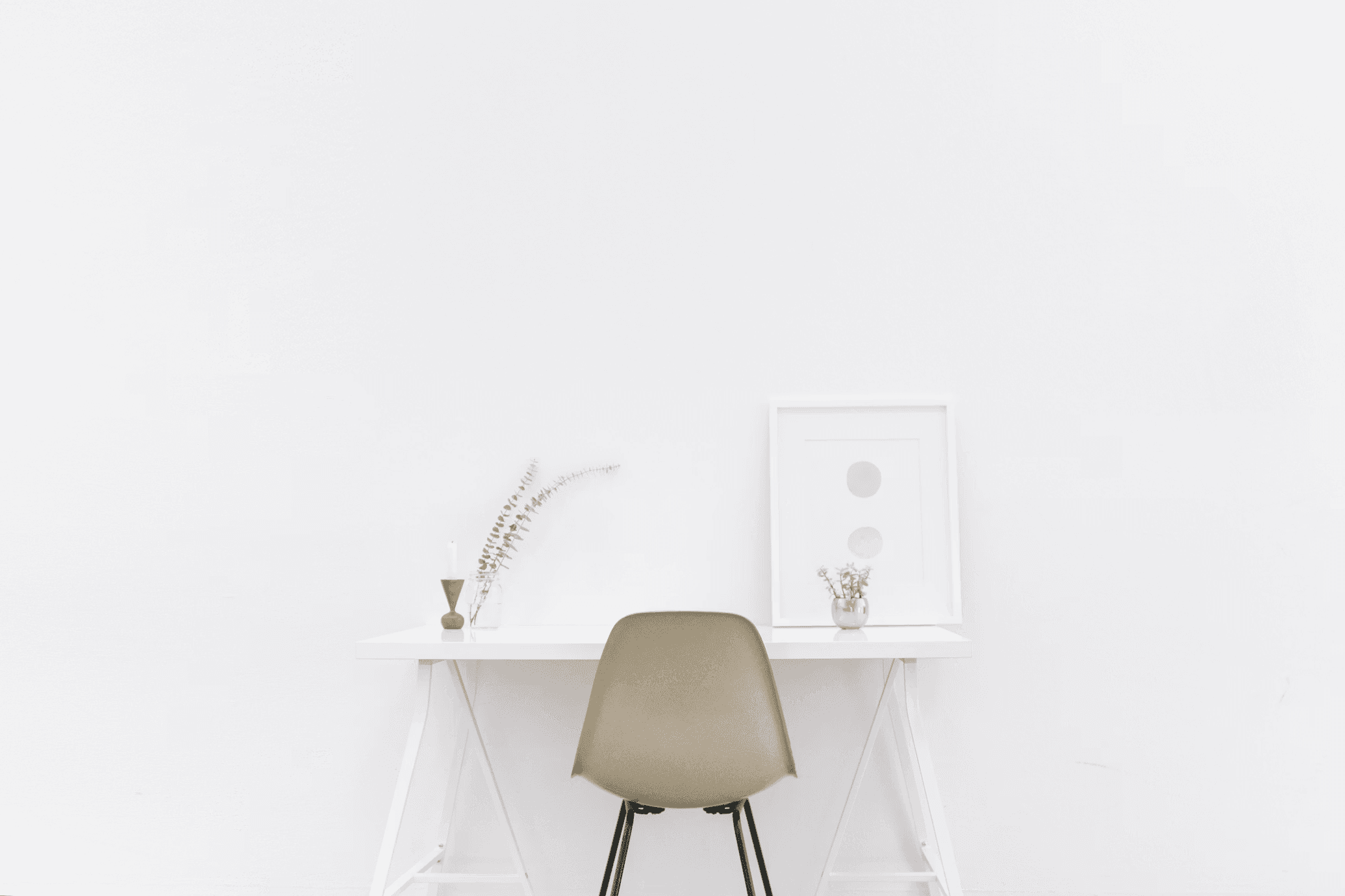
The answer is rarely comfortable. Empty walls can feel cold. Uncluttered rooms can feel unfinished. Silence can feel unfamiliar. For many people, these qualities are weaknesses. For minimalists, they are precisely the point.
Space as a Luxury
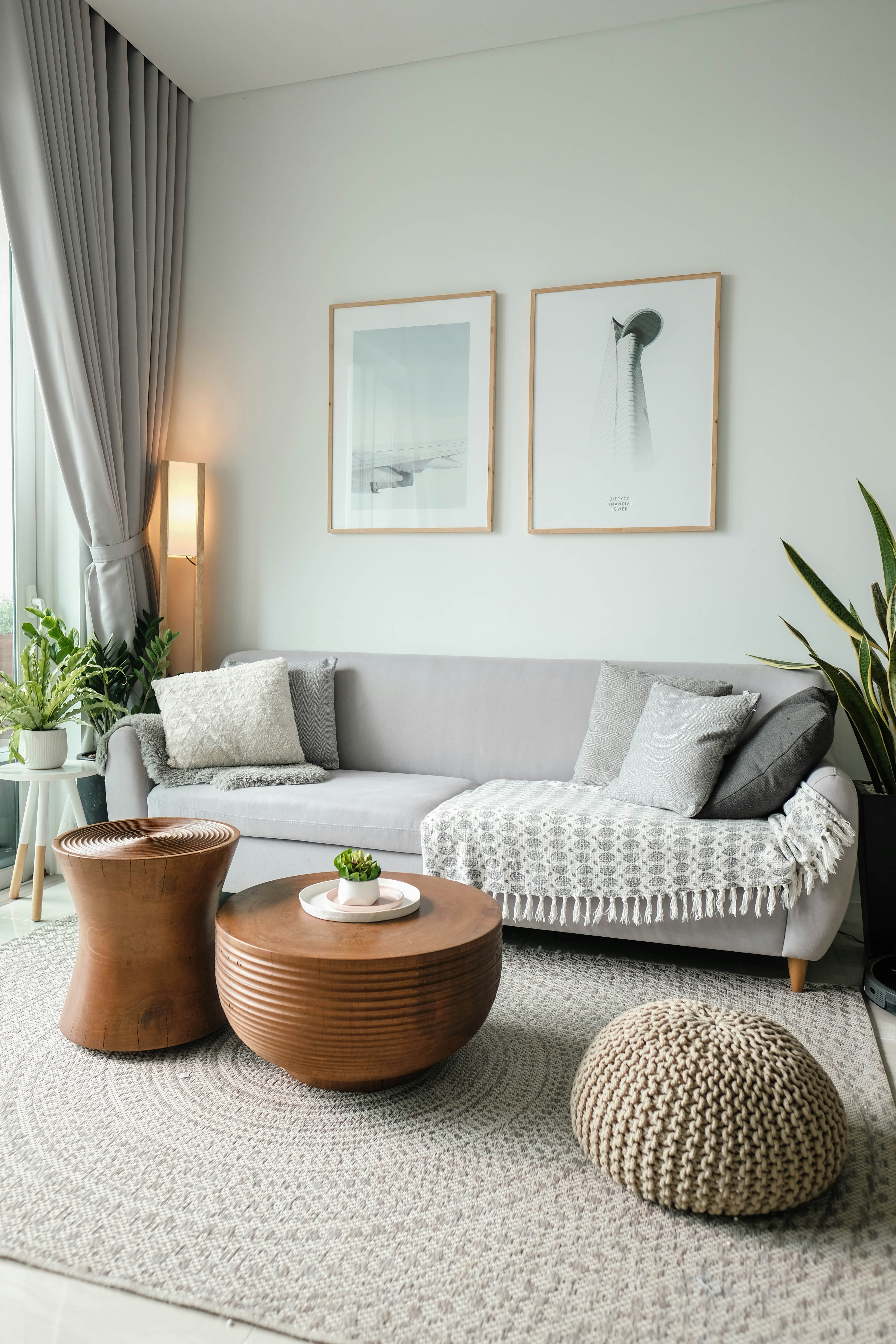
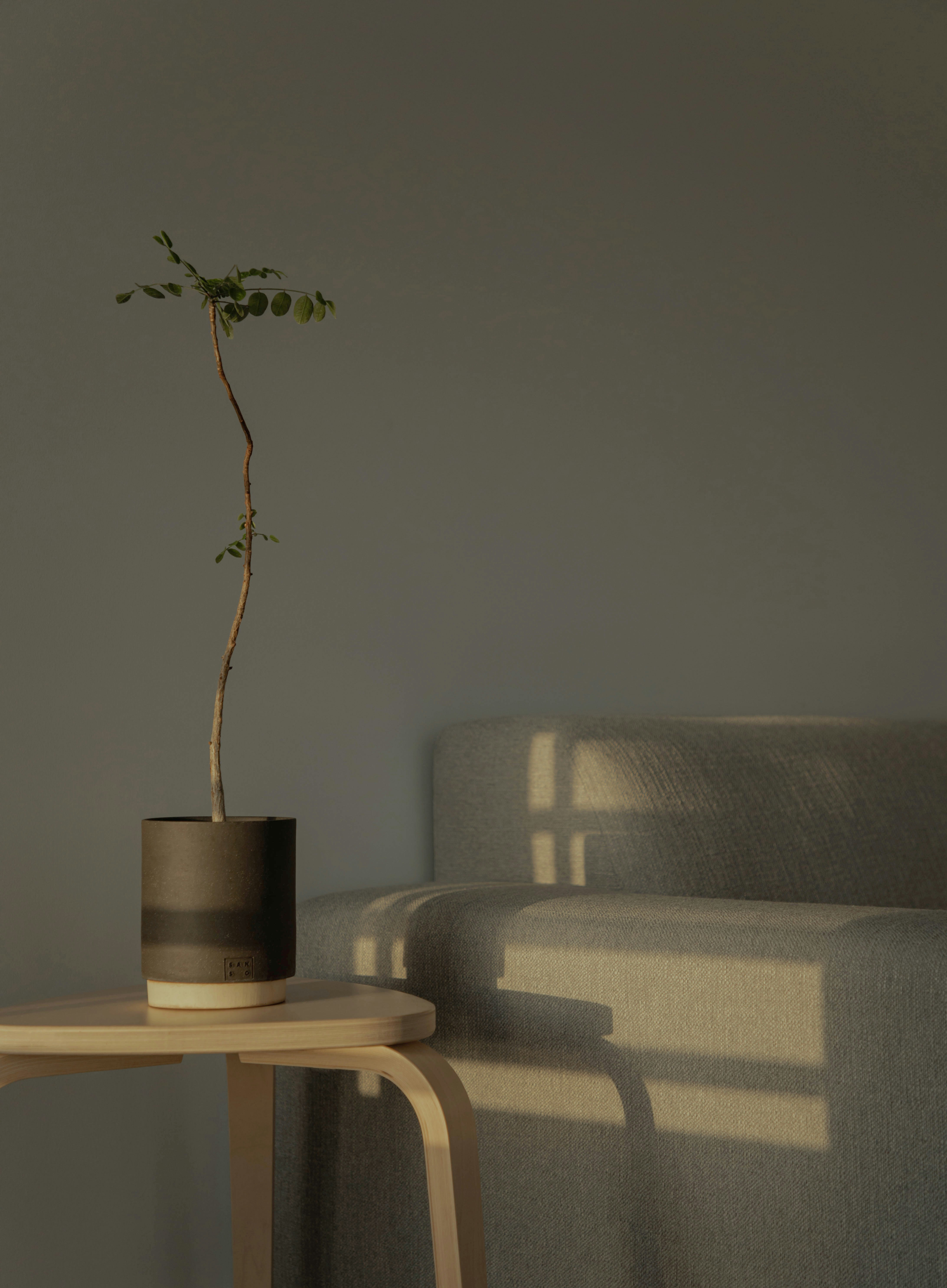
Looking at this interior, one might argue that there is "almost nothing" in the room. A simple sofa. A small side table. A single plant. Soft evening light.
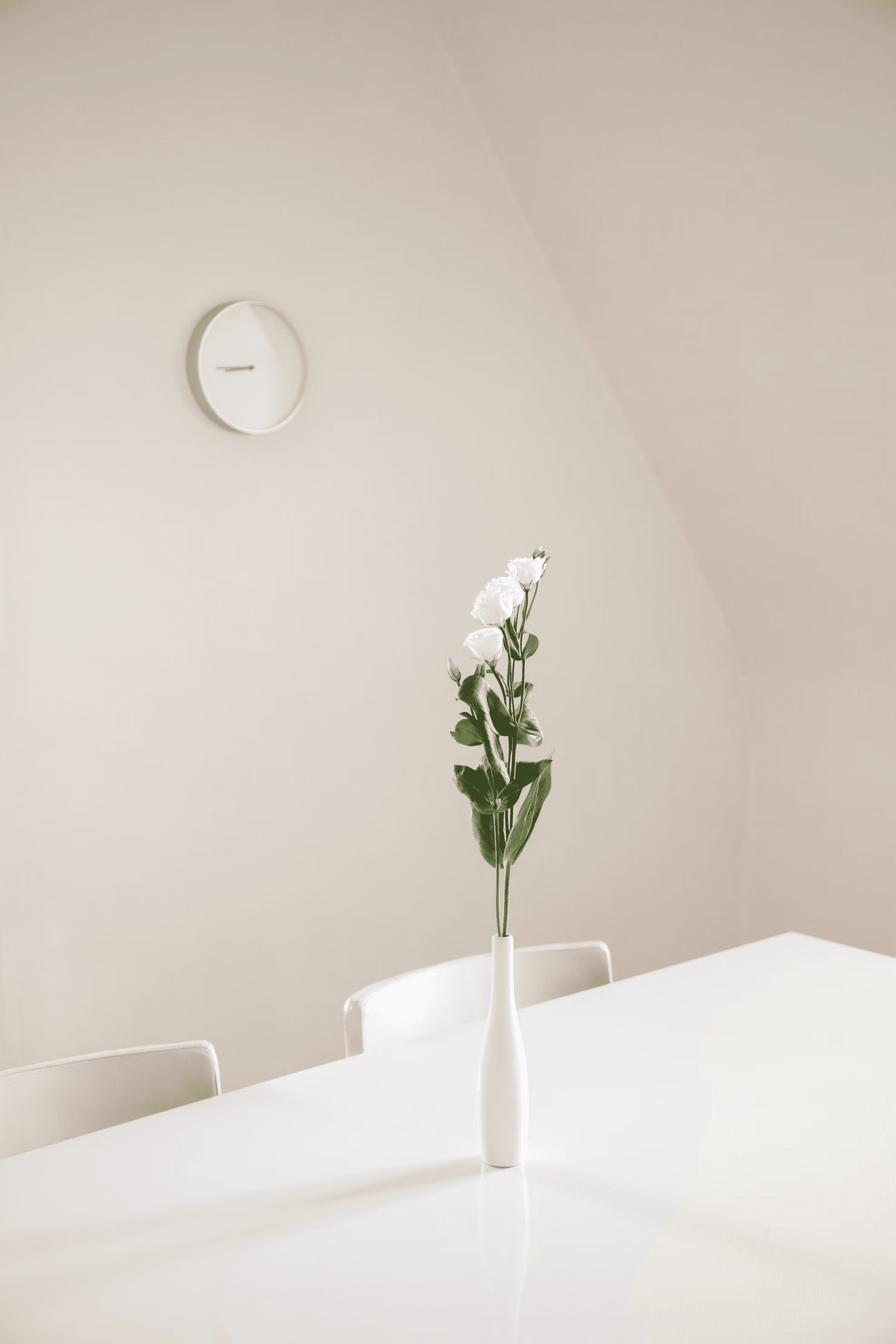
Yet the absence of objects creates something valuable: space.
The room allows the eye to rest. It allows light to become visible. It allows shadows to become part of the composition. In minimalist design, emptiness is not wasted space. It is an intentional design element.
Not a Style, but a Philosophy
Many people confuse minimalism with a visual aesthetic. Neutral colors, simple furniture, and clean lines are only the surface.
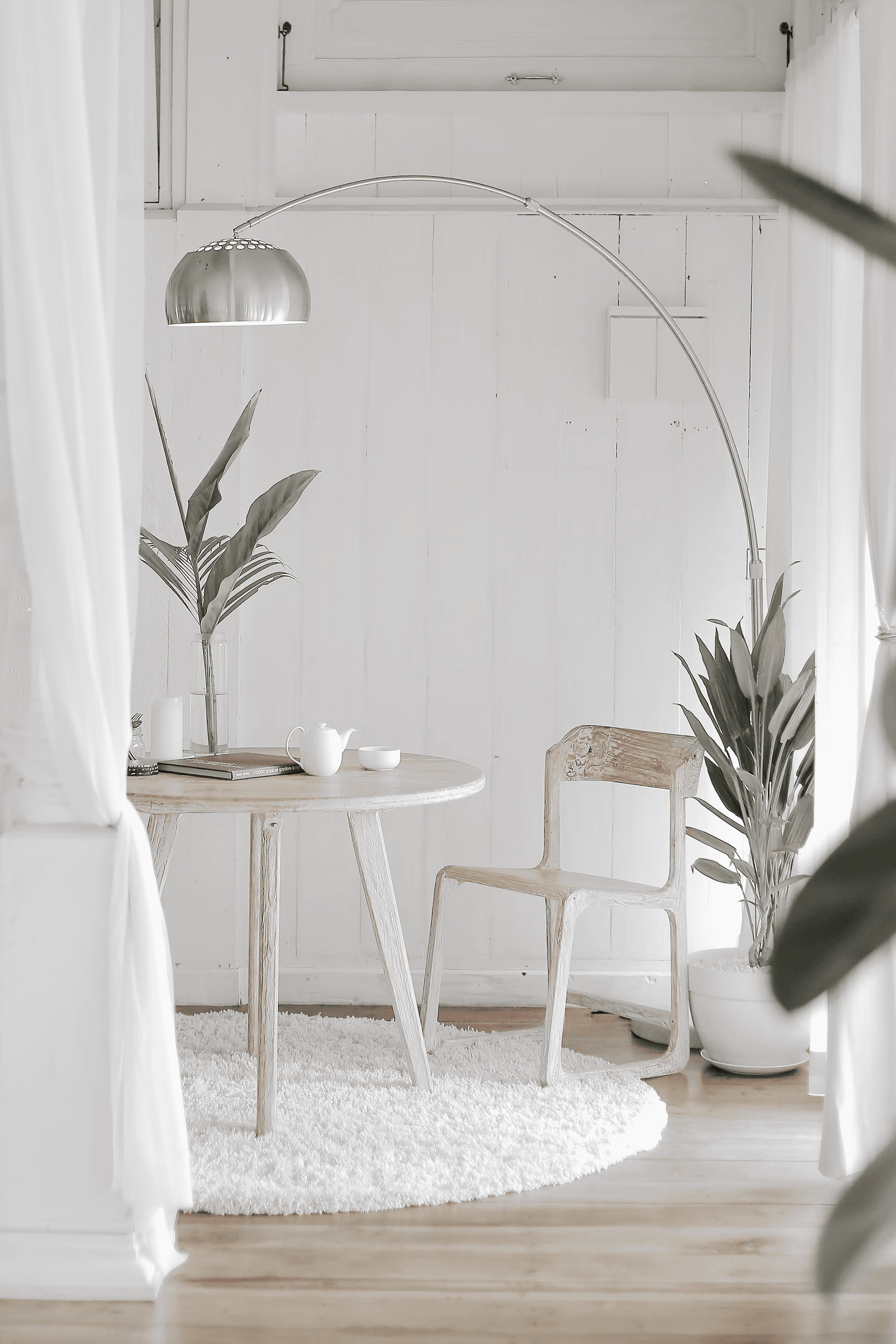
At its core, minimalism is about prioritization. Every object must justify its presence. The plant exists because it brings life. The chair exists because it serves a purpose. The table exists because it is needed. Nothing is included simply to fill a void.
This mindset extends far beyond interior design and often influences how people manage their time, relationships, and daily routines.
Why Some People Dislike Minimalism
Minimalism can feel restrictive to those who find joy in collections, art, color, books, or personal memorabilia.
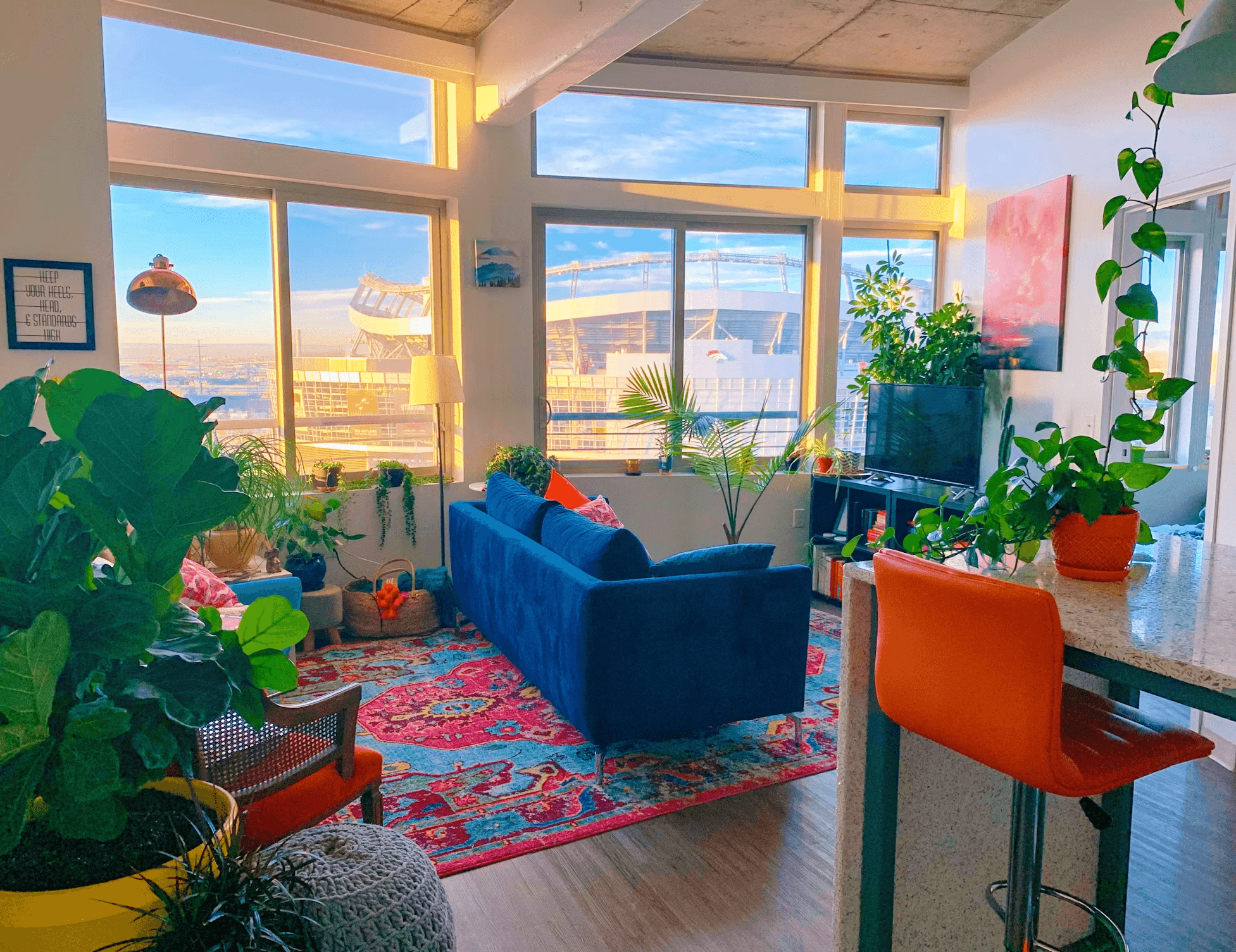
For creative personalities, a highly minimalist space may appear sterile or lacking emotional warmth. They may prefer environments that tell stories through abundance and visible memories.
And there is nothing wrong with that.
A successful home is not the one that follows design trends. It is the one that reflects the people living inside it. Minimalism is simply one way of expressing that identity.
The Beauty of Restraint
What makes spaces like this compelling is not what they contain, but what they choose to leave out.
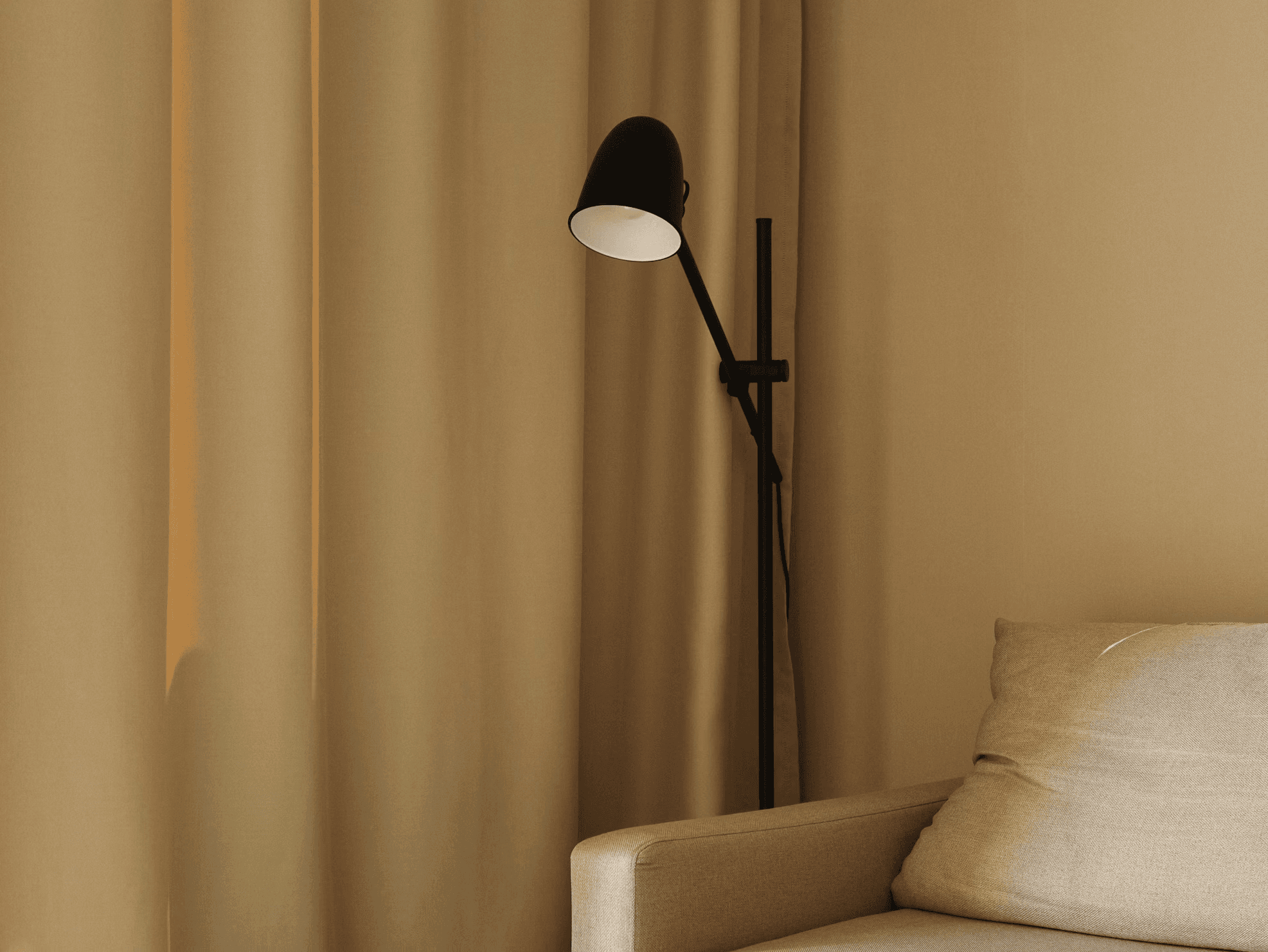
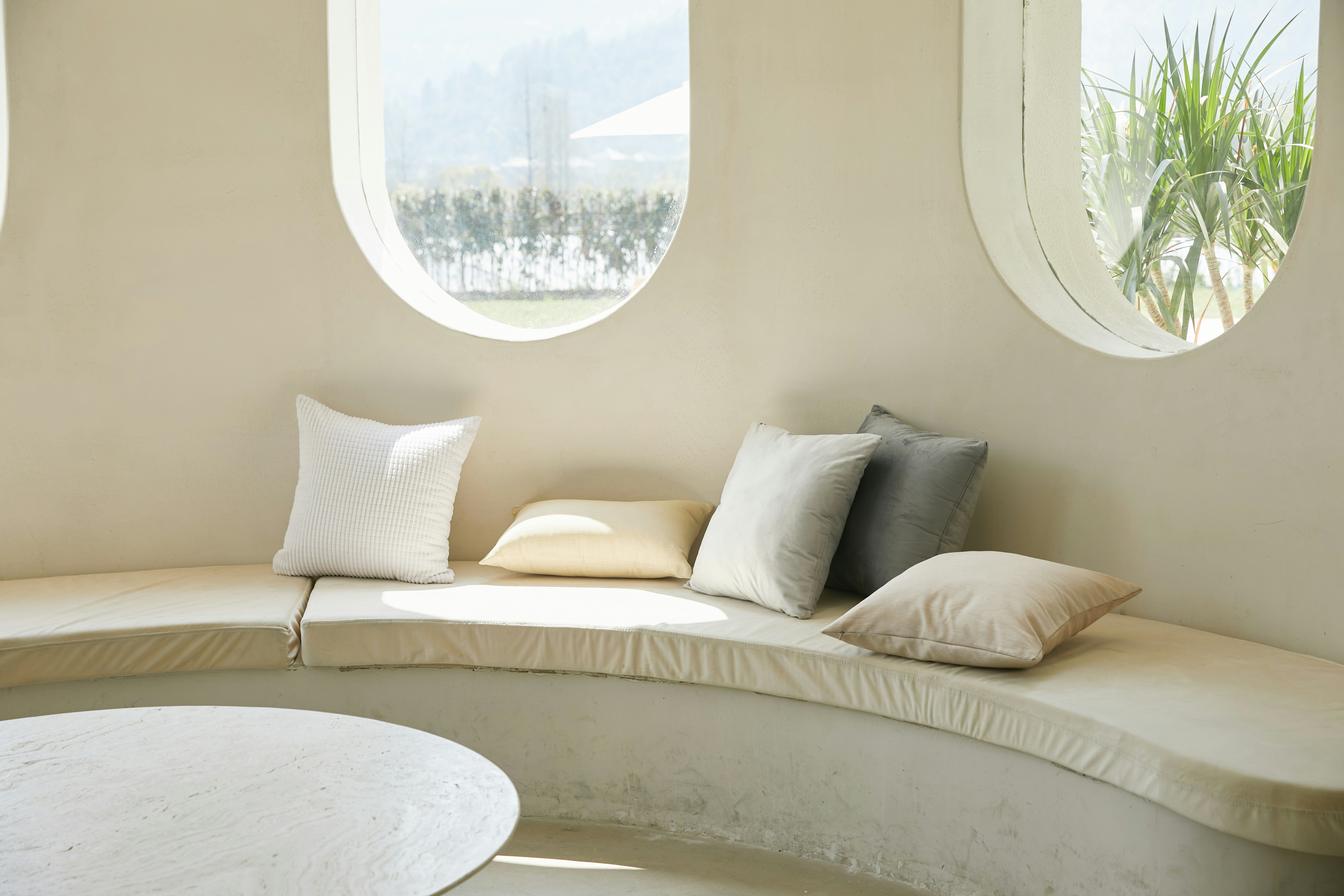
The warm afternoon light becomes the focal point. The gentle curve of the furniture becomes noticeable. The delicate silhouette of a single plant gains a presence that would disappear in a busier environment.
Restraint creates attention. When fewer elements compete for focus, ordinary details become extraordinary.
Living With Intent
Minimalism requires discipline because it continuously asks us to distinguish between what is necessary and what is merely available.
It is less about owning fewer things and more about making conscious decisions. The goal is not emptiness. The goal is clarity.
Conclusion
Minimalism is not for everyone, and it should not be.
Some people thrive in vibrant, layered environments filled with objects and memories. Others find peace in simplicity, quietness, and open space.
Neither approach is inherently better.
This room reminds us that minimalism is not about following a trend or achieving a perfect aesthetic. It is about creating enough room—for light, for thought, and for the things that truly matter.


