

in
Taste is often associated with fashion, art, or luxury. Yet some of the strongest expressions of taste are found in ordinary places—quiet buildings, aging facades, and streets that have slowly collected character over decades.
Taste Is More Than Style
Many people confuse taste with trends.
A trendy space follows what is popular today. Taste, however, endures long after trends disappear. It is the ability to recognize beauty in details, atmosphere, and authenticity.
This weathered apartment façade may not fit contemporary standards of perfection, but it possesses something more valuable: a sense of identity.
The faded walls, aged balconies, and climbing greenery tell a story that no newly constructed building can immediately replicate.
The Taste of Time
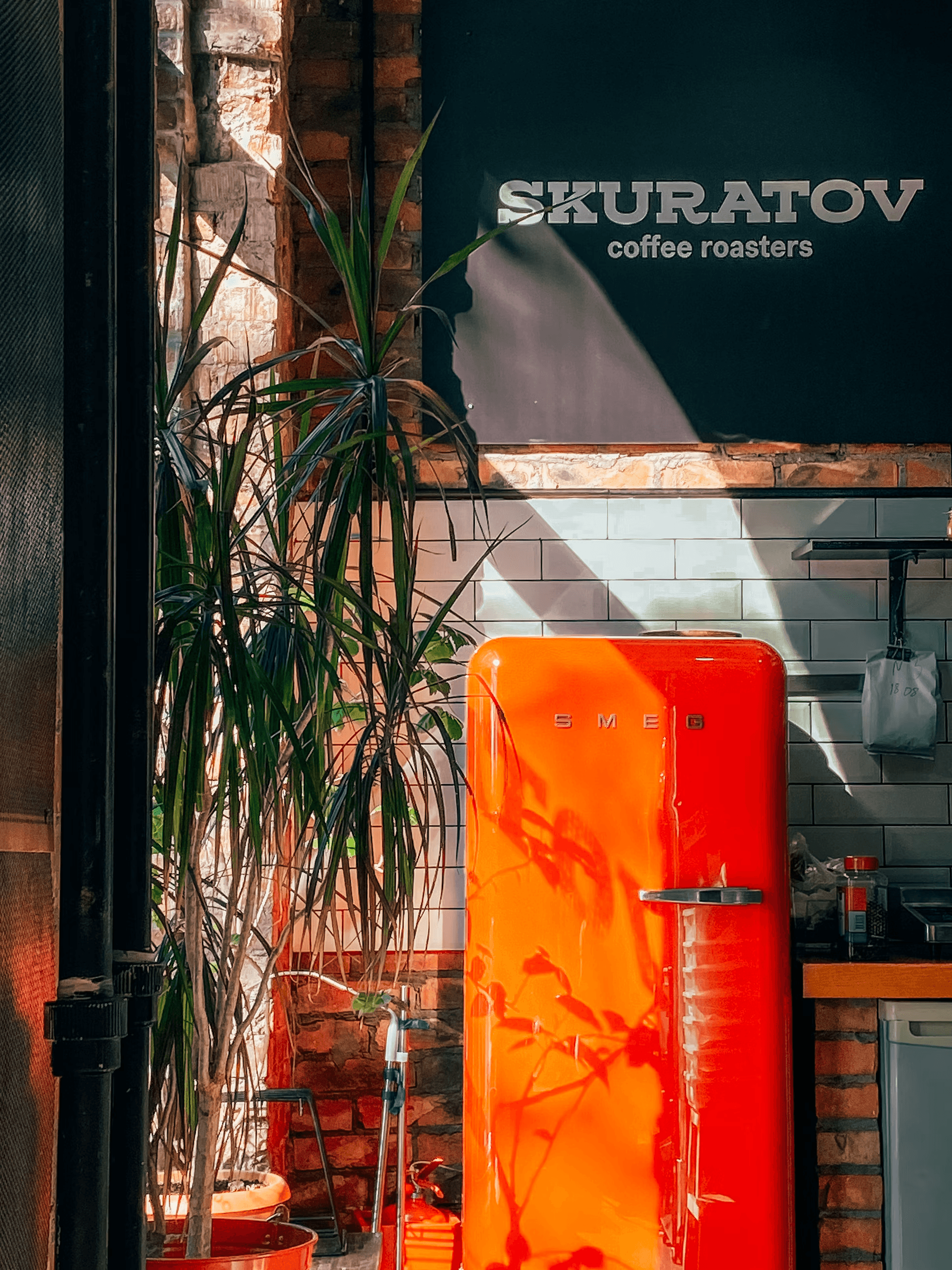
Some things become more beautiful because they age. A leather chair develops a patina. A wooden floor gains marks from everyday life. An old building accumulates layers of history. In this image, time is visible everywhere. The peeling paint, the weathered metal railings, and the softened colors create a richness that only years can produce. Taste often emerges not from what is new, but from what has been lived with and cared for.
Nature as the Final Designer
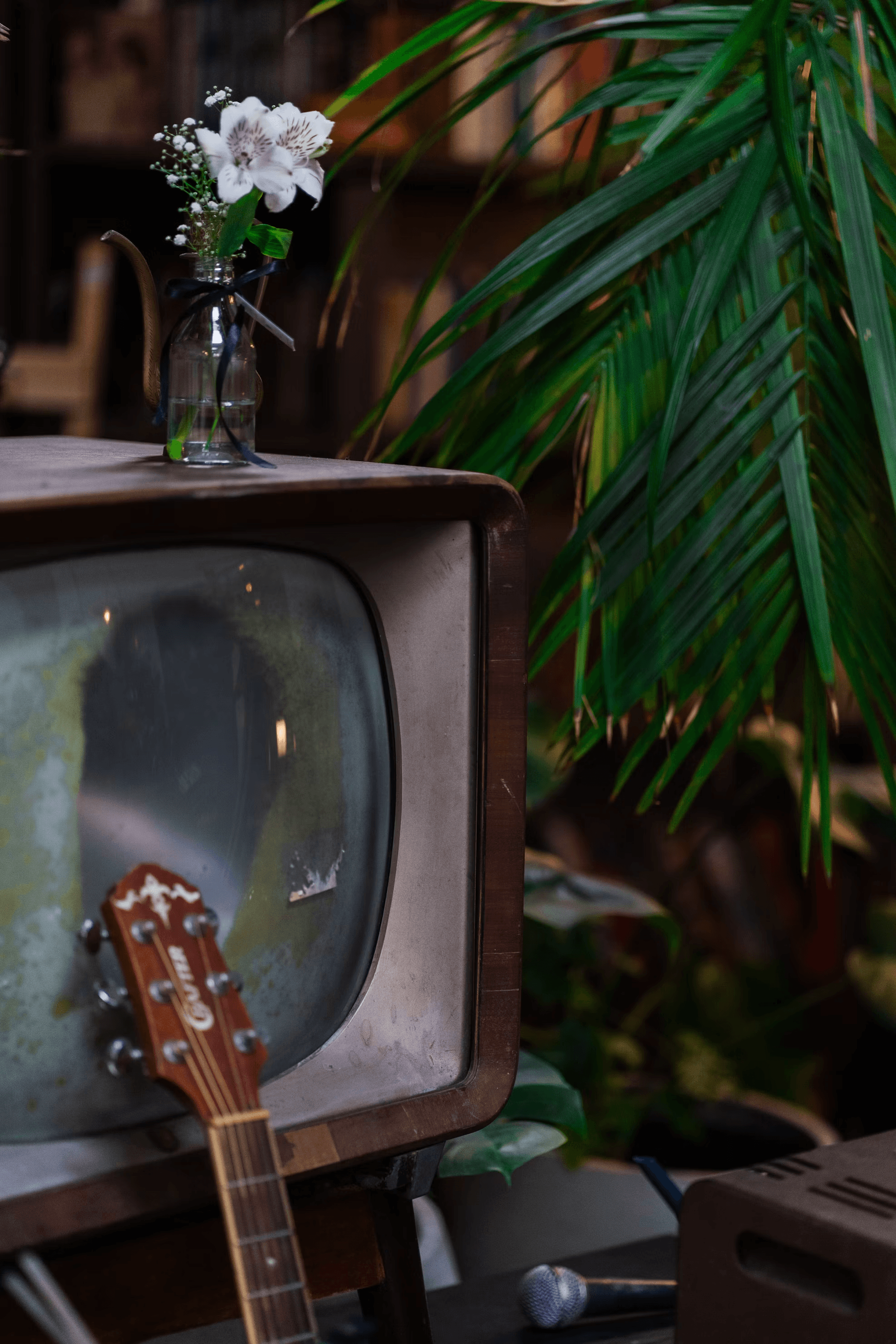
One of the most striking aspects of the scene is the interaction between architecture and nature. The branches gently frame the building, while leaves soften the hard edges of concrete, metal, and stone. The greenery feels unplanned, yet perfectly placed. This balance between human construction and natural growth creates an atmosphere that feels effortless. The best spaces often leave room for nature to participate in the design.
The Charm of Imperfection
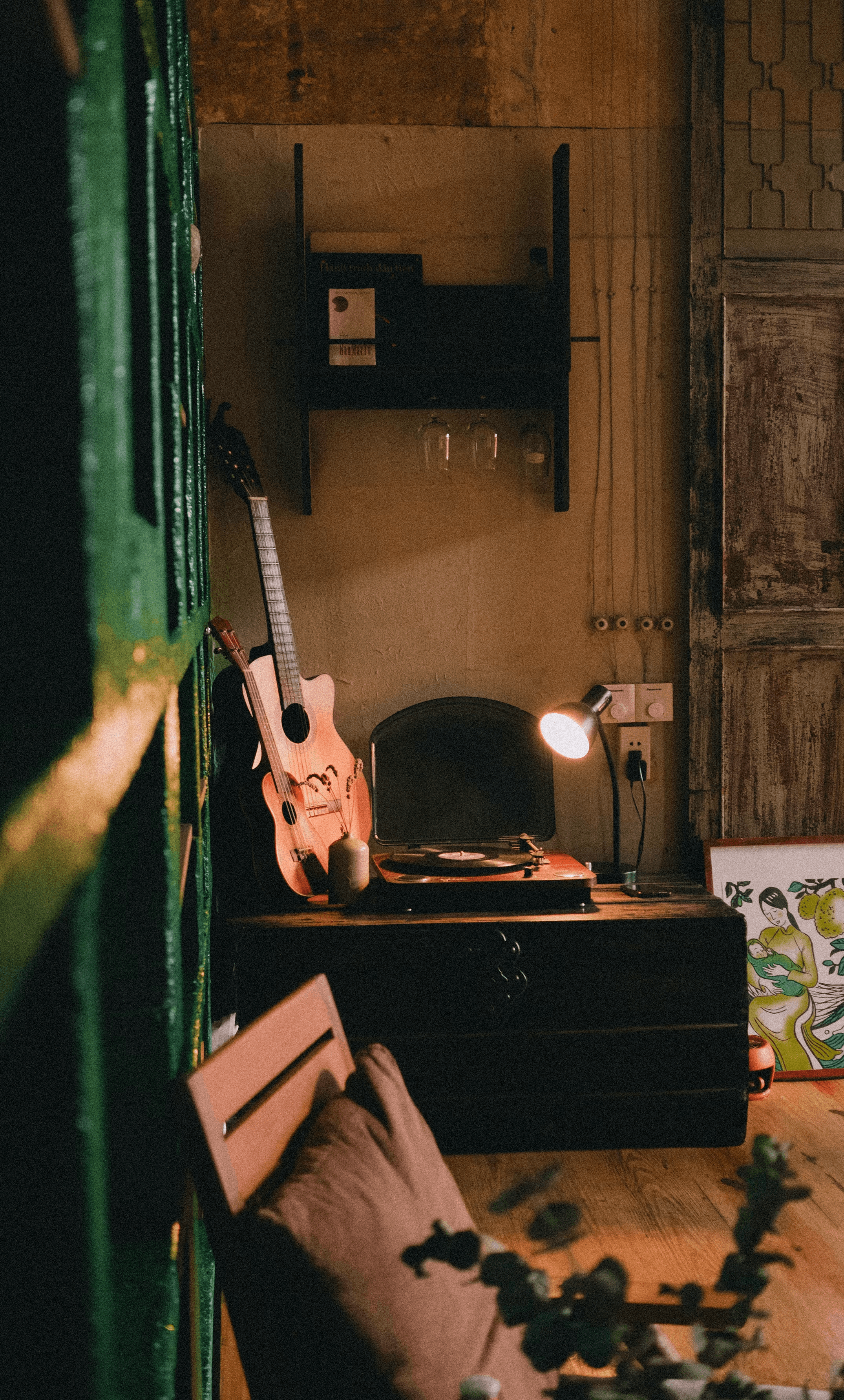
Modern culture frequently celebrates flawless surfaces and carefully curated aesthetics. Yet there is a different kind of beauty in imperfection. The slightly uneven colors. The aging textures. The visible signs of use. These elements make a place feel genuine rather than manufactured. Taste is not about eliminating imperfections. It is about understanding which imperfections add character.
A Sense of Place
Perhaps the most important aspect of taste is its connection to place. A building like this could never be mistaken for a luxury tower in a global city. It belongs to its neighborhood, its climate, and its history. The open windows, the balcony cages, the tropical greenery, and the weathered surfaces all contribute to a unique local identity. Taste is strongest when it reflects where it comes from rather than trying to imitate somewhere else.
When Atmosphere Matters More Than Luxury
There is nothing extravagant about this scene. Yet it possesses atmosphere. And atmosphere is often what people remember most. Not the cost of materials. Not the size of the building. Not the prestige of the address. But the feeling of sunlight passing through leaves, the scent of flowers after rain, and the quiet beauty of a place that has grown naturally over time.
Conclusion
Taste cannot always be purchased, designed, or installed. Sometimes it emerges slowly through age, memory, and everyday life. This humble building reminds us that true taste is not about perfection or luxury. It is about authenticity—the ability of a place to feel honest, lived-in, and uniquely its own. Because in the end, the most tasteful spaces are often the ones that tell the most genuine stories.